
Inclement Weather Emergency Preparedness Tips
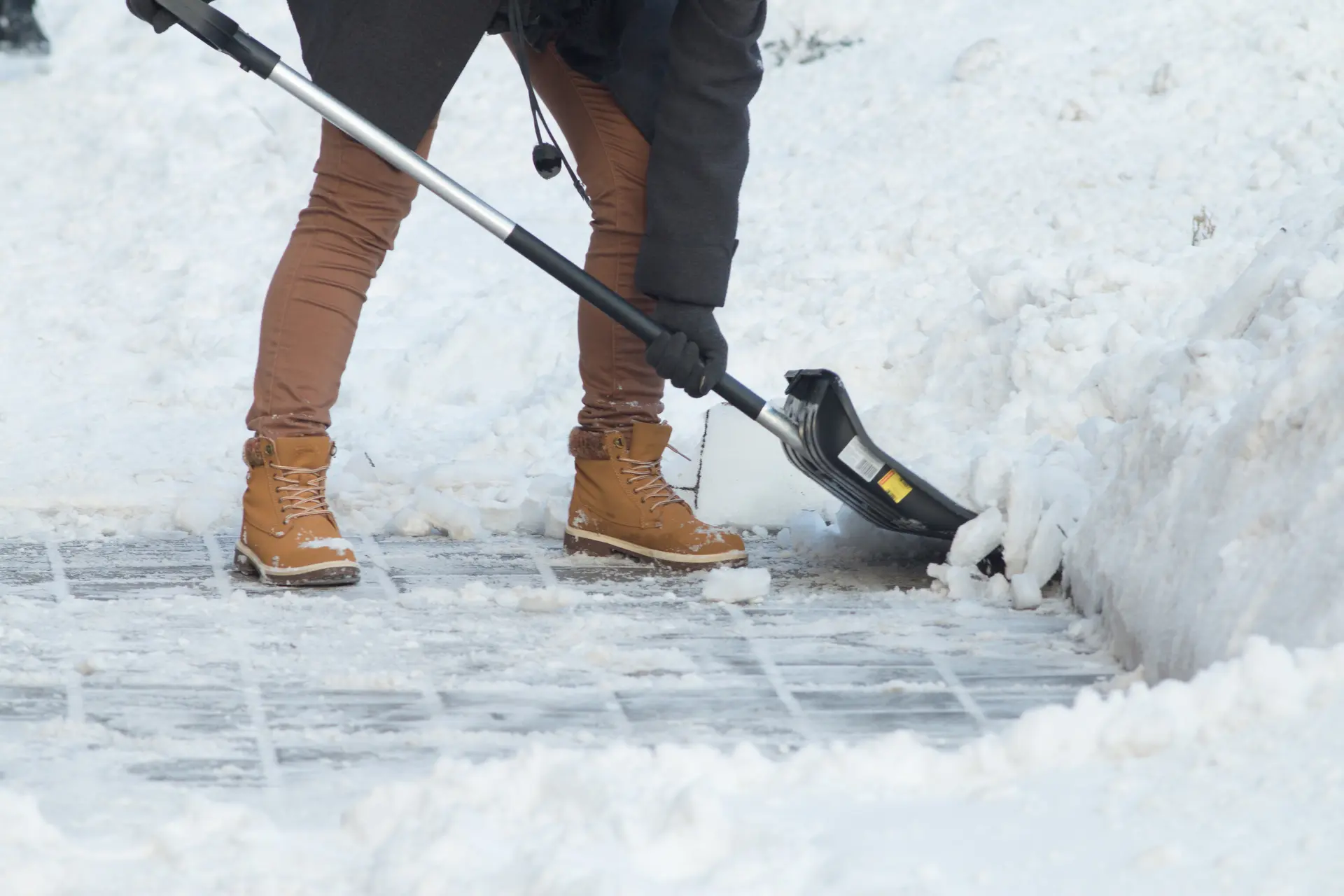
During a 2026 snow emergency, prioritize safety by staying indoors, keeping phones charged, and having emergency supplies like flashlights, batteries, blankets, and water ready. Prevent pipes from freezing by opening faucets, avoid overexertion while shoveling to prevent heart attacks, and never use generators or ovens indoors for heating.
Essential Safety & Survival
- Stay Indoors: Avoid unnecessary travel during a severe winter storm.
- Prevent Freezing: Keep faucets dripping to prevent pipes from freezing, and open cabinet doors to allow warm air to reach pipes.
- Shoveling Tips: Take frequent breaks and push snow rather than lifting it to avoid overexertion.
- Avoid Overheating Risks: Never use a generator, grill, or camp stove inside your home or garage, as they produce carbon monoxide.
- Stay Warm: Dress in layers and keep warm blankets available.
Domestic Violence Safety Tips During a Snow Emergency
If you or someone you know is experiencing domestic violence, help is still available — even during severe weather.
- Help is still available. Shelters, domestic violence hotlines, and law enforcement remain operational during snow emergencies, even if travel is limited.
- If you are in immediate danger, call 911. If calling isn’t safe, text 911 from your cell phone or mobile device.
- If you need help, call the Community Crisis Hotline at (301) 864-7095.
- Plan a safe exit. Pack essentials (ID, medications, phone charger, warm clothing) and keep them accessible in case you need to leave quickly.
- Identify safe spaces. If you cannot leave, stay in rooms with exits and avoid kitchens or areas with potential weapons.
- Use code words. Arrange a phrase with friends, family, or neighbors that signals you need help.
- Check on others. If you hear or suspect violence, report it — your call could save a life.
- In addition, you can contact the National Domestic Violence Hotline at 1-800-799-SAFE (7233) or text START to 88788 — chat is also available online.
Weather is not a barrier to help. Emergency responders prioritize safety calls regardless of road conditions.
Check In on Seniors and Individuals with Disabilities During Snow Emergencies
Prince George’s County has issued an inclement weather alert beginning Saturday, January 24th, due to expected snowfall and extremely cold temperatures in the coming days. Residents are encouraged to take necessary precautions now, including ensuring an adequate supply of prescription medication.
- Check on others. Make contact early and often. A quick call, text, or knock before conditions worsen can prevent emergencies later.
- Create a buddy system. Encourage neighbors to look out for one another and share contact information ahead of time.
- Check access to essentials. Ask if they have enough food, water, medications, medical supplies, batteries, and mobility aids.
- Confirm power-dependent needs. Find out if they rely on electricity for medical devices and help plan for outages.
- Assess home safety. Ensure pathways are clear, there’s adequate heating/cooling, working smoke alarms, and safe use of generators or space heaters.
- Offer practical help. Shoveling snow, bringing supplies, charging devices, or helping with transportation can make a big difference.
- Share emergency information clearly. Provide updates in simple language and accessible formats when possible.
- Report any urgent concerns. If an older adult or person with a disability appears in immediate danger or distress, call 911.
- uncontrollable shivering
- pale and cold skin
- confusion or sleepiness
- slowed speech
- shallow breathing
- weak pulse
- stiffness in the arms or legs
- or, poor control over body movements.
Cold Weather Precautions - Preventing Hypothermia Conditions
Hypothermia is one of the serious health problems that can be caused by exposure during cold weather. If a person’s body temperature drops below 95 degrees, immediately seek medical attention. In mild cases the symptoms include:
In case of serious symptoms, contact the victim's doctor, or call 911. In either case, until help arrives or the person is seen by a doctor, move the person to a warm room, warm the body with dry layers of blankets or clothing, and give warm beverages. (Do not attempt to give beverages to an unconscious person.)